Five Minutes of Inspection Can Save Five Hours of Downtime
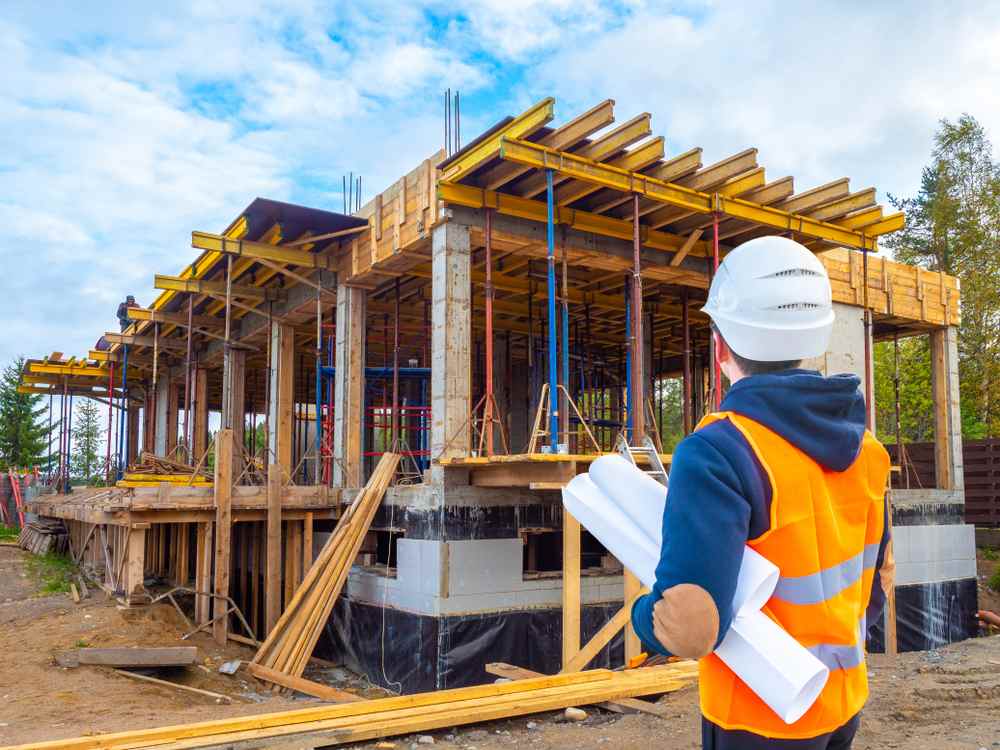
Every contractor has experienced it. The crew is ready to start setting forms, the crane is in position, and the concrete schedule is locked in. Then someone discovers a missing wedge bolt, a damaged panel, or hardware that should have been replaced after the last job. Suddenly, the day starts with delays instead of production.
Many of these setbacks can be avoided with a simple inspection before equipment leaves the yard—or before it’s loaded back onto the truck after a project. Taking just a few minutes to check panels for damage, verify that hardware is accounted for, and separate items needing repair from those ready for immediate use can prevent hours of lost time on the next jobsite.
The same principle applies to plywood faces. A panel that has minor wear today may still perform well after a quick repair or replacement. Ignore it for several more pours, however, and it can begin affecting concrete finish quality or require more extensive work later. Preventive maintenance is almost always less expensive than emergency replacement.
Organization is just as important as inspection. Keeping ties, wedges, bolts, and accessories stored together makes mobilization faster and reduces the chance of arriving on site without a critical component. When every crew knows where equipment belongs, loading and unloading become routine rather than a daily scavenger hunt.
At Forming America, we’ve learned that successful projects are built on preparation as much as execution. Contractors who treat their formwork as an investment—not just another jobsite material—typically experience fewer delays, longer equipment life, and more predictable project schedules.
Before your next project begins, spend a few extra minutes inspecting your forming equipment. It’s one of the simplest ways to protect your schedule, reduce unexpected costs, and keep your crew focused on building instead of troubleshooting.