Mid-Project Adjustments: How to Keep Your Concrete Job on Track When Plans Change
No matter how well a project is planned, changes are almost inevitable. A wall height gets revised, rebar density increases, an opening shifts, or sequencing needs to be adjusted to meet a tighter schedule. In concrete construction, these mid-project changes can create real pressure—especially when formwork is already in place and crews are ready to move.
At Forming America, we’ve seen how the difference between a delayed job and a successful one often comes down to how quickly and effectively a team can adapt. The goal isn’t to avoid change—it’s to be ready for it.
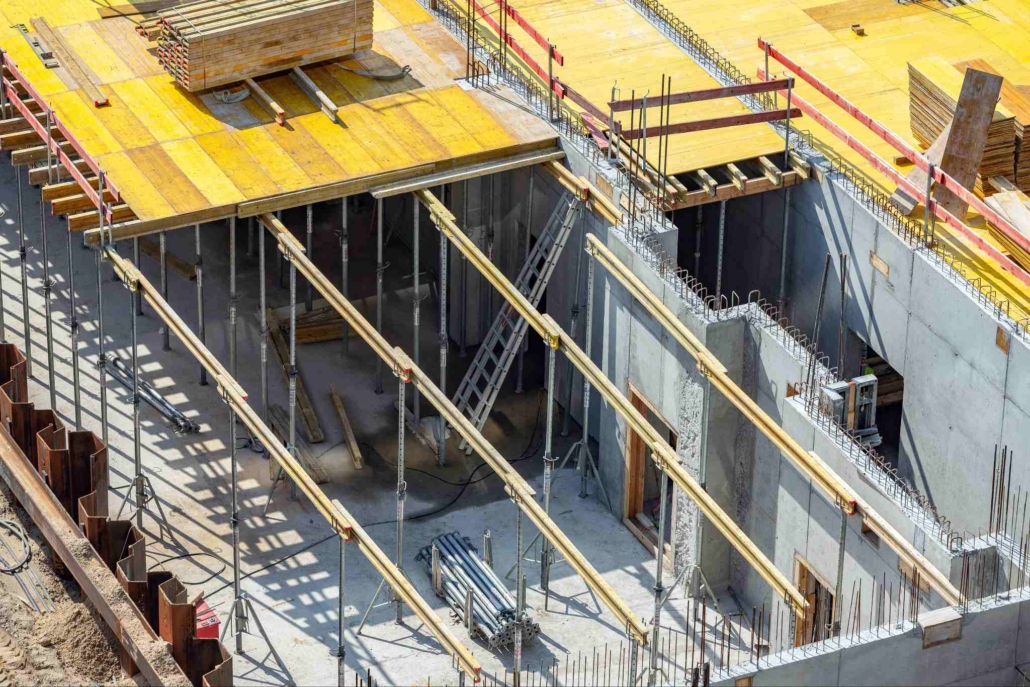
One of the biggest advantages contractors have today is working with modular forming systems like Steel-Ply and SurePly. These systems are designed to be flexible. Panels can be reconfigured, stacked differently, or adjusted with fillers and hardware to accommodate new dimensions without starting from scratch. That flexibility becomes critical when drawings evolve or field conditions don’t match the original plan.
Tie selection also plays a role when adjustments are needed. A change in wall thickness or reinforcement layout might require switching from an X-Flat Tie to a Heavy Duty Loop Tie, especially if routing around rebar becomes more complicated. Having access to the right tie options—and understanding when to use them—keeps the job moving without compromising safety or alignment.
Another key factor is communication. When changes happen, delays usually aren’t caused by the change itself, but by the lag in response. Crews are waiting on updated materials, revised layouts, or confirmation on how to proceed. This is where having a responsive supplier makes a difference. At Forming America, we stay engaged throughout the project so when something shifts, we can help you pivot quickly—whether that means adjusting a material order, recommending an alternative setup, or expediting delivery.
There’s also a mindset component. The most successful crews approach mid-project changes as part of the process, not a disruption. They plan for reuse, keep materials organized, and maintain flexibility in their setup so adjustments don’t require a full reset. When formwork is staged thoughtfully and installed with future phases in mind, it’s much easier to adapt without losing momentum.
Construction projects are rarely static, and concrete forming is no exception. The ability to adjust without slowing down is what separates efficient jobs from costly ones.
If you’re in the middle of a project and facing unexpected changes—or planning ahead for one where flexibility will matter—Forming America is here to help. Call (630) 231-6900 to talk through your project and keep things moving forward.